QuantumReady ConsultingAustralian Post-Quantum Cryptography Readiness
Discovery, analysis, prioritisation and transition planning for organisations that need a practical view of their post-quantum cryptography exposure.
Quantum computing poses a direct threat to widely used encryption standards that protect enterprise systems, customer data, communications and digital transactions. QuantumReady Consulting helps Australian organisations identify cryptographic exposure, assess quantum cyber risk and develop practical transition plans towards post-quantum cryptography and quantum-safe encryption.
We help Australian organisations understand where traditional asymmetric cryptography is used today, what sensitive data it protects and which parts of the estate are most exposed. That gives leaders a clearer view of risk, sequencing and investment before a larger transition programme begins.
Australian Signals Directorate (ASD) recommended target milestones for becoming post-quantum cryptography safe: 202620282030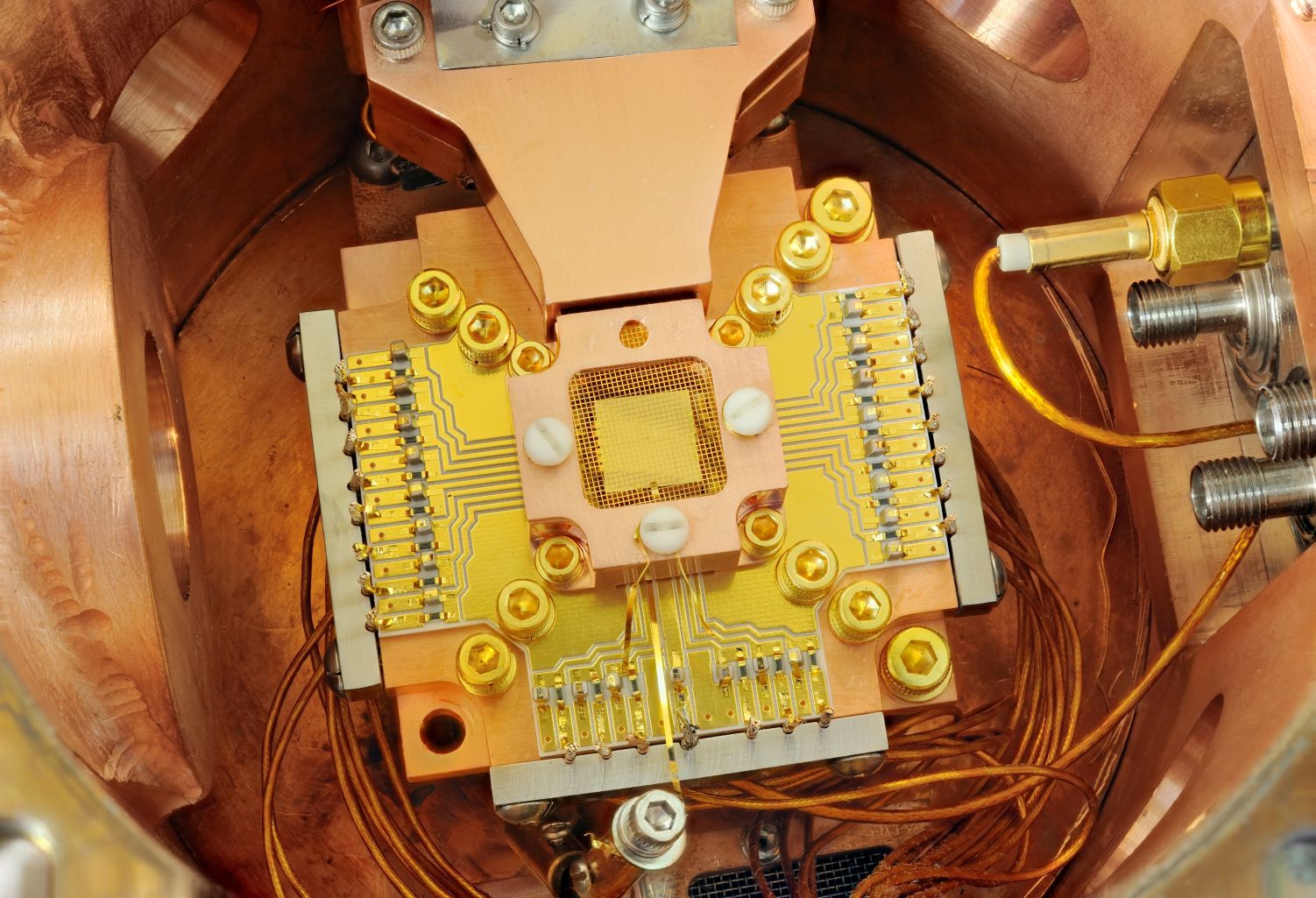
Quantum computers have the potential to break through and expose company and customer data protected by nearly all commonly used forms of traditional asymmetric encryption. This reaches across data at rest and data in transit, including storage, network traffic, Wi‑Fi, end user devices, databases, APIs, certificates and system-to-system communications.
This is not a what-if scenario, it is a when scenario. The scale of the coming change is comparable to the Year 2000 issue, except this time it is centred on cryptography, trust and the long-term confidentiality of sensitive data. It is no longer only a topic for CISOs and cyber teams. Anyone responsible for company data, customer data, data security, regulatory exposure or reputational damage from a breach should care about it now.
It is only a matter of time before government and regulatory authorities around the world, and in Australia likely the ASD, APRA and others, expect organisations to discover, assess and remediate non-quantum-safe cryptography in use across their environments.
Attackers do not need quantum computers today to put your organisation at risk. They are already using a strategy known as Harvest Now, Decrypt Later, capturing encrypted data now and storing it until quantum computers can break today’s encryption.
That means data stolen today may be decrypted years from now. For organisations holding sensitive customer, financial, health, legal or government-related data, the exposure window is already open. The risk exists now, not when quantum capability becomes mainstream.
Quantum computing is not only a technology problem, it is a timeline problem. If your data needs to stay secure longer than it will take your organisation to complete migration, you are already operating inside the risk window.
Migration to quantum-safe cryptography can take years across complex applications, infrastructure, networks, APIs and vendor platforms.
Customer data, financial records, identity information, health records and intellectual property often need confidentiality well beyond the likely arrival of practical quantum capability.
The first challenge is not remediation. It is discovering where traditional asymmetric cryptography exists and understanding what it protects.

Moving to quantum-safe cryptography is not a patch, a certificate refresh or a single platform project. It requires identifying every use of encryption across your organisation, assessing the value and lifetime of the data protected by it, and planning staged changes across applications, infrastructure and suppliers.
For many organisations this will run across multiple years and budget cycles, which is why the right place to start is structured discovery and assessment.

Delaying this work increases both risk and cost. Sensitive data may already be in adversaries’ possession. Encryption change may become rushed and reactive. Regulatory pressure will arrive whether an organisation is ready or not. The longer you leave discovery, the harder it becomes to sequence and fund a controlled transition.
The question is no longer “When should we start?” It is “How much risk are we already carrying today?”
Organisations need to quickly understand the risk factors that quantum computing may pose to their business operations and security. Every organisation that holds and processes sensitive data should consider the lifetime value of that data, and the impact of that data being exposed or misrepresented by bad actors in the future.
The first step is not replacing encryption. It is understanding where cryptography exists in your environment, which systems are vulnerable, what data is most at risk and how long your transition will take. That is why many organisations are beginning with structured discovery and assessment programmes now.
The risk is not only future decryption capability. It is the current need to find where traditional asymmetric cryptography already exists, understand what it protects, and work out how long a safe transition to quantum-safe encryption will take.
Sensitive data stolen today may still be valuable in the future, particularly where confidentiality needs to hold for many years.
Cryptography sits in certificates, libraries, APIs, cloud services, hardware, partner integrations and vendor products that are rarely tracked end to end.
Large organisations need time to assess risk, sequence change, coordinate vendors and transition without breaking critical services.
These questions help explain why quantum readiness, cryptographic discovery and post-quantum transition planning are now becoming enterprise priorities.
Post-quantum cryptography refers to cryptographic algorithms designed to remain secure against future quantum computing attacks.
Timelines vary, but organisations are preparing now because attackers may already be stealing encrypted data today with the intent to decrypt it later.
Quantum readiness is the process of identifying where vulnerable cryptography is used, assessing risk, prioritising remediation and planning a transition to quantum-safe encryption.
Without a cryptographic inventory, you cannot see where traditional asymmetric encryption is used, which systems are exposed and what should be prioritised first.
Because the risk is already active. Attackers are collecting encrypted data today using harvest now, decrypt later strategies, and organisations with sensitive long-life data face the greatest exposure. At the same time, migrating to quantum-safe cryptography can take years across complex environments.
For most organisations this is a multi-year transformation involving discovery, risk assessment, roadmap development and phased migration across systems, platforms and suppliers.